Service
Pest Inspection
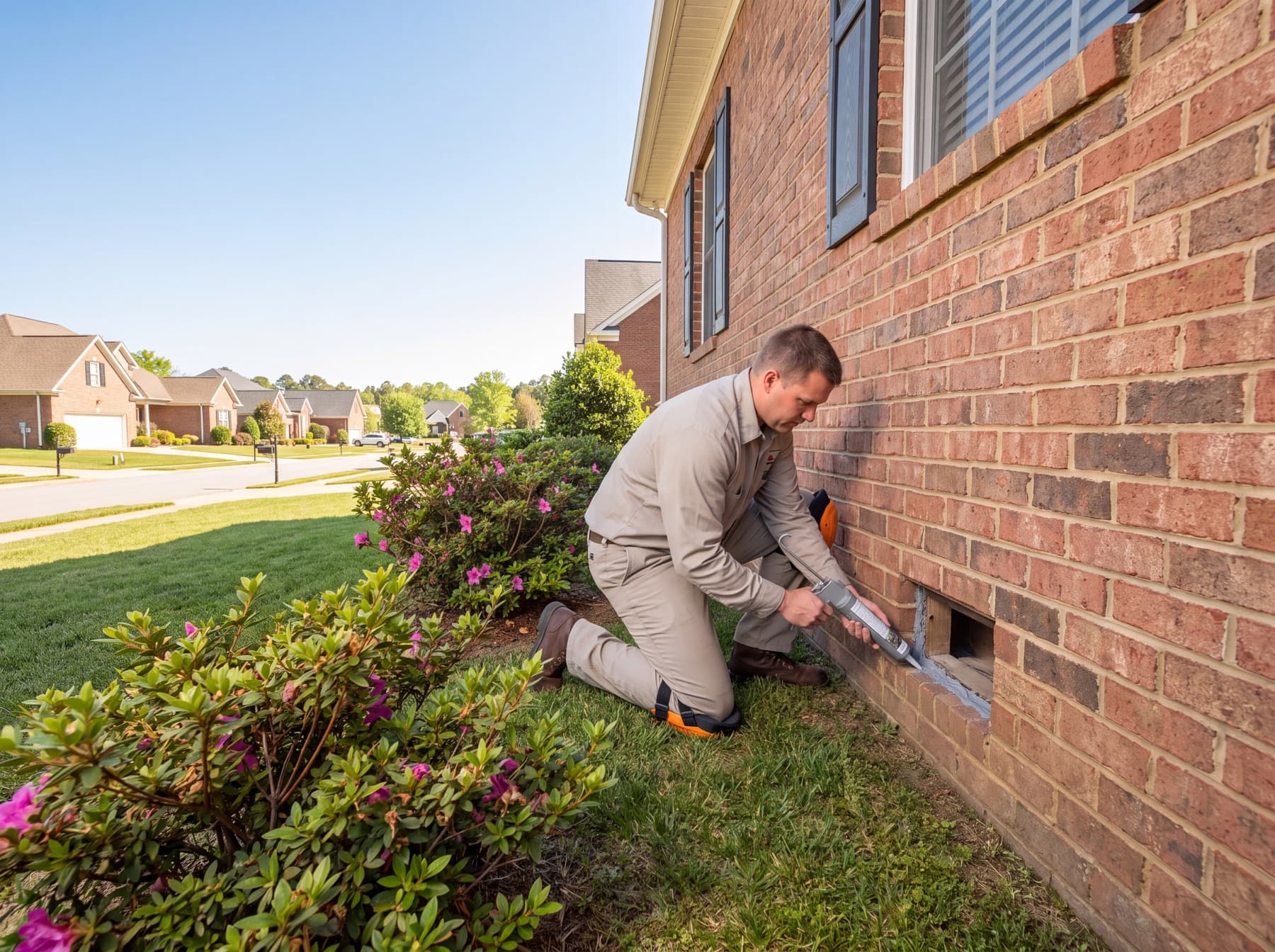
A complete pest inspection covering the attic, crawlspace, foundation, and exterior entry points, built for homebuyers, sellers, and current homeowners in the Triangle who want an honest read on pest activity before deciding on treatment.
Most people never think about booking a pest inspection until a real estate deal makes them — but it's just as useful for a homeowner who wants a straight answer about what's actually happening in the crawlspace before deciding whether treatment is even necessary. An inspection isn't about treating something you already noticed; it's about surfacing what you haven't.
Pest Inspection vs. Termite (WDO) Inspection — Which One Do You Need?
These two get used almost interchangeably, but they're not the same service. A termite inspection, often called a WDO inspection for "wood-destroying organism," is narrowly focused on termites, carpenter ants, wood-boring beetles, and fungal wood decay — the pests and conditions that actually damage structural wood — and it produces the specific documentation most North Carolina real estate transactions require. A general pest inspection covers more ground, adding common household pests like rodents, roaches, and spiders alongside anything wood-destroying.
If you're buying or selling a home, ask specifically for a WDO/termite inspection by name — that's the report lenders and closing attorneys are actually looking for, and it's a more specialized service than a general checkup. If you're a current homeowner just trying to understand what's going on before deciding on treatment, a general pest inspection is the better starting point, since it isn't limited to wood-destroying pests alone.
Key takeaway
Closing on a house — ask for a WDO/termite inspection by name, since that's the document the transaction actually requires. Just curious about your own crawlspace — a general pest inspection covers far more ground for the same visit.
What Gets Checked During a Pest Inspection
A proper inspection covers the whole property, not just wherever a problem was already spotted:
- Foundation perimeter — mud tubes, cracks, gaps around utility penetrations, and any wood-to-soil contact that gives termites and moisture-seeking pests an easy way in.
- Crawlspace or basement — arguably the single highest-value area to check on the Triangle's older housing stock, since it's where termite activity, rodent entry, and moisture problems tend to start and stay hidden the longest.
- Attic — checked for rodent droppings, nesting material, chewed insulation, and gaps in roofline venting.
- Interior — kitchens, bathrooms, and utility areas, the spots most likely to show visible evidence: droppings, gnaw marks, discarded wings, or live activity.
- Exterior structure — siding, trim, decks, and any wood touching the ground, which are common entry points and food sources for wood-destroying pests.
The end product should always be a written report — areas inspected, areas that couldn't be reached (a locked crawlspace hatch, an inaccessible attic corner), findings, how extensive any damage appears to be, and treatment recommendations if something turns up. That report is the actual deliverable. A technician telling you it "looked fine" on the way out the door isn't a substitute for documentation, and you should expect to receive it either way.
How Often You Actually Need One
For a real estate transaction, the answer doesn't change based on how the house looks: every time, before closing, regardless of age or apparent condition — termite and moisture damage are notoriously easy to miss without training and the right tools. For a homeowner who isn't buying or selling, an annual inspection is a reasonable baseline, and it matters more for older homes with crawlspace foundations or any past treatment history, since both termite and moisture damage build up quietly over the course of a year between checks. Homes already on a quarterly pest control plan typically get a lighter version of this baked into every routine visit, which is one more reason ongoing service tends to catch problems well before a standalone inspection ever would.
What Happens After the Inspection Is Done
If nothing turns up, the report still has value — it's a dated record of the home's condition, worth holding onto, especially if a sale is anywhere on the horizon in the next few years. If something is found, expect the report to spell out specific next steps: what was identified, where, how far it appears to have spread, and a recommended treatment approach with its own separate quote. Inspection and treatment are almost always priced and scheduled as two distinct steps, not bundled into one number.
It's worth asking directly whether the inspector also performs treatment work, or whether the inspection is independent of whoever might eventually do the job. Some homeowners specifically prefer an inspector with no financial stake in selling a treatment plan afterward, to remove any incentive to find — or oversell — a problem. Either answer can be reasonable as long as it's disclosed upfront.
Getting Your Home Ready for an Inspection
A little prep makes the visit faster and the report more accurate. Clear access to the crawlspace hatch, attic entry, and anything stored along foundation walls ahead of time — an inspector who physically can't reach an area has to mark it "inaccessible" in the report, which leaves a real gap in the documentation, especially on a real estate transaction where a lender expects full coverage of the property. Move boxes and furniture away from foundation walls both inside and outside the house, since that's exactly where mud tubes and early activity are easiest to overlook. And if there's any known past pest history — a treatment a few years back, a spot that's flared up before — mention it before the inspection starts. That context tells the inspector exactly where to look more closely instead of treating the whole property as equally likely to have a problem.
Frequently Asked Questions
Do I need an inspection if I haven't actually seen any pests? Yes, especially for termites and moisture issues. Real structural damage very often happens well before any visible sign shows up on the surface, which is the entire reason inspections exist rather than just responding to what's already obvious.
How long does a typical pest inspection take? Most general inspections take 30 minutes to an hour, depending on the size of the home and how accessible the crawlspace and attic are. Real estate transactions involving formal WDO paperwork usually run a bit longer, since the documentation itself takes extra time to complete correctly.
Where We Offer Pest Inspection
What Homeowners Look For
A few things customers consistently tell us matter most.
Frequently Asked Questions
Ready to get this fixed?
Call now or request a free estimate — we'll get back to you fast.